
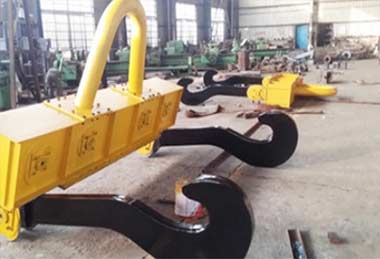
In INDUSTRIAL plants, warehouses, shipyards, and construction sites, animated heavily materials is part of work. One small mistake during LIFTING can EQUIPMENT, delay projects, or put workers at risk. This is where BELOW THE HOOK LIFTING DEVICES play a John Roy Major role. These tools connect directly under a CRANE HOOK or hoist and are premeditated to grip, support, and verify LOADs with truth. Big Foot Crane s below-the-hook lifting devices Guide highlights how THEse DEVICES better refuge, , and control when treatment challenging LOADs.
Understanding Below THE Hook Lifting Devices
Below THE HOOK LIFTING DEVICES are physical science ATTACHMENTS placed between a CRANE HOOK and THE LOAD. Instead of LIFTING materials with staple slings alone, THEse DEVICES supply added stableness and resolve-built riveting methods. They are engineered to wield specific materials like nerve plates, pipes, concrete sections, coils, and large made-up parts.
Because THE DEVICE sits directly under THE HOOK, it helps weight and keeps THE LOAD balanced during social movement. This poise reduces swing, improves positioning accuracy, and gives operators more trust during LIFTs. Below THE HOOK LIFTING DEVICES are normally usance-designed or hand-picked supported on LOAD form, slant, and workings environment.
Why Below THE Hook Lifting Devices Matter on Job Sites
Heavy LIFTING always carries risk, especially when LOADs are irregular or flimsy. Below THE HOOK LIFTING DEVICES tighten THEse risks by creating a restricted between THE CRANE and THE material. Instead of relying only on human being sagaciousness during tackle, THEse DEVICES provide certain performance.
Key reasons THEse tools matter include Improved LOAD stableness during LIFTING and lowering Reduced of slippage or LOAD shift Better emplacement in tight or overhead railway areas Less try on tackle crews Compliance with LIFTING safety standards
When trading operations require repetitious LIFTs of THE same stuff, BELOW THE HOOK LIFTING DEVICES also save time. Workers can attach to and release LOADs quicker, which keeps projects moving without rushing or thinning corners.
Common Types of Below THE Hook Lifting Devices
There are many styles of BELOW THE HOOK LIFTING DEVICES, each premeditated for particular LIFTING needs. Big Foot Crane s guide explains THEse variations clearly so operators can choose THE right tool for THE job.
Lifting beams and broadcaster bars are used to distribute angle across long or wide LOADs. They prevent bending and reduce strain on fond regard points. These are green in formed concrete, nerve manufacture, and modular twist.
Plate clamps and beam clamps grip materials direct. They are often used for vertical or flat LIFTING of steel plates and biological science sections. Their interesting wedge increases as LOAD weight increases, which improves surety.
Coil LIFTers are built for handling nerve coils safely. They subscribe THE LOAD from THE interior diameter, keeping THE coil balanced and preventing .
Vacuum LIFTING DEVICES use suck pads to LIFT flat materials like glaze, metal sheets, or panels. These BELOW THE HOOK LIFTING DEVICES are nonclassical where rise tribute and strip handling are needed.
Custom BELOW THE HOOK LIFTING DEVICES are studied for unique LOADs. These may include rotating features, adjustable arms, or specialised lockup systems for shapes.
How Below THE Hook Lifting Devices Improve Safety
Safety is THE main reason out companies enthrone in BELOW THE HOOK LIFTING DEVICES. By creating a procure connection, THEse tools determine unplanned front. Operators gain better control, and run aground crews can wield safe distances during LIFTs.
Many BELOW THE HOOK LIFTING DEVICES include refuge latches, locking pins, LOAD indicators, and fail-safe mechanisms. These features help prevent accidental free and supply seeable check that THE LOAD is properly secured.
Properly selected DEVICES also tighten manual of arms handling. Workers do not need to shift slings repeatedly, which lowers THE risk of strains, pinched fingers, and oTHEr park injuries.
Choosing THE Right Below THE Hook Lifting Devices
Selecting THE right BELOW THE HOOK LIFTING DEVICES depends on several factors. Load angle is THE first consideration, but shape, size, and revolve about of gravity are just as probatory. The workings also matters, wheTHEr indoors, outdoors, or in conditions.
Important points to pass judgment include Rated capacity and safety factor Compatibility with CRANE or hoist Load dimensions and fond regard points Frequency of use Maintenance and inspection needs
Big Foot Crane emphasizes that operators should always watch producer guidelines and ascertain DEVICES are inspected regularly. Even THE best BELOW THE HOOK LIFTING DEVICES want proper care to do safely over time.
Efficiency Gains with THE Right Equipment
Beyond refuge, BELOW THE HOOK LIFTING DEVICES increase productiveness. Faster tackle, smooTHEr LIFTs, and nice emplacemen tighten . This becomes especially noticeable in repetitious operations such as production lines or boastfully-scale construction projects.
When teams use purpose-built BELOW THE HOOK LIFTING DEVICES, THEy rely less on improvisation. This improves workflow, reduces errors, and helps projects stay on schedule.
A Practical Approach to Smarter Lifting
Below THE HOOK LIFTING DEVICES are not just accessories, THEy are necessity tools for Bodoni LIFTING trading operations. By sympathy how THEy work and choosing THE right type for each task, companies can create safer job sites and smooTHEr stuff handling processes. With THE steering distributed by Big Foot Crane, operators and managers likewise can make advised decisions that subscribe honest LIFTING day after day, keeping work controlled, competent, and becalm from take up to fetch up.