
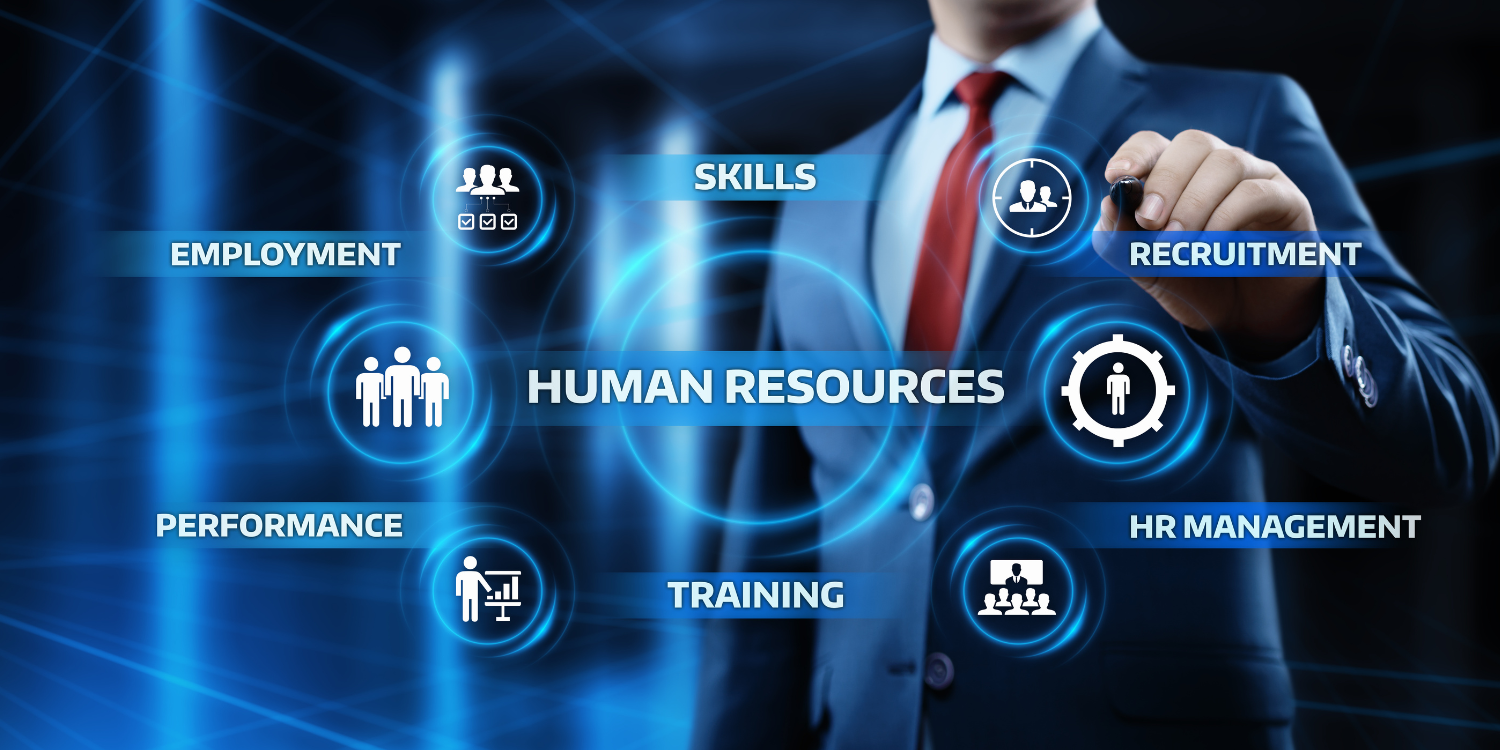
In the digital age, businesses are increasingly turning to technology to streamline and optimize their operations. Human Resources (HR) is no exception. The introduction of HR systems, or Human Resource Management Systems (HRMS), has revolutionized the way organizations manage their workforce. These systems have evolved from simple administrative tools to complex, multifaceted platforms that handle every aspect of HR—from recruitment to retirement. But how did HR systems evolve, and what impact do they have on today’s businesses?
The Evolution of HR Systems
HR systems have come a long way since their inception. Early HR practices were predominantly manual and paper-based, making it difficult to track employee data and manage tasks efficiently. As organizations grew, so did the complexity of their HR operations. HR departments needed to manage everything from payroll to compliance, and the growing number of administrative tasks became overwhelming.
-
The Birth of HR Software
In the late 20th century, the first HR software began to emerge. These early systems focused mainly on automating payroll and benefits administration. By eliminating the need for manual calculations, HR professionals could reduce errors and ensure timely payments. This was a major breakthrough in the HR field. -
The Rise of Integrated HRMS
In the 1990s, as businesses recognized the value of data-driven decision-making, HR leave management software became more integrated. These systems expanded beyond payroll to include functions like recruiting, performance management, and employee self-service. HRMS platforms allowed for better data storage and more efficient handling of employee records, recruitment workflows, and performance reviews, all in one system. -
Cloud-Based HR Systems
The early 2000s marked the advent of cloud computing, which had a significant impact on HR technology. Cloud-based HR systems allowed businesses to access HR tools and data remotely, making them more flexible, scalable, and cost-effective. The transition from on-premises software to cloud-based solutions brought even more advanced features, such as mobile access, real-time updates, and better security. -
AI and Machine Learning Integration
As artificial intelligence (AI) and machine learning technologies advanced, HR systems began incorporating these tools to improve decision-making and enhance efficiency. AI-powered chatbots, for example, can handle employee inquiries 24/7, while predictive analytics can help HR teams identify potential hiring trends, employee turnover risks, and training needs. These innovations have taken HR systems from administrative tools to strategic decision-making platforms.
The Core Functions of Modern HR Systems
Today's HR systems are much more than simple record-keeping tools—they are sophisticated platforms that support nearly every aspect of human resources management. Here are some of the key functions of modern HR systems:
-
Employee Data Management
HR systems serve as a central repository for employee information, including personal details, employment history, salary, performance reviews, and more. This centralized data storage ensures that HR professionals can easily access and update information, improving efficiency and reducing the likelihood of errors. -
Talent Acquisition
Modern HR systems play a critical role in recruitment. They automate job postings, track candidates through the interview process, and even help with onboarding. Some systems leverage AI to help match candidates to job openings based on their skills, experience, and other factors, making the hiring process faster and more accurate. -
Payroll and Benefits Administration
One of the most important functions of any HR system is payroll management. HR systems automate the payroll process, ensuring that employees are paid accurately and on time. They also handle benefits administration, including enrollment in health insurance, retirement plans, and other perks, streamlining a complex and time-consuming process. -
Performance and Talent Management
HR systems help organizations track employee performance through regular reviews, feedback, and goal-setting features. These systems enable HR professionals and managers to monitor progress, identify areas for improvement, and ensure employees receive the support they need to succeed. Talent management modules also help identify high-potential employees and plan for leadership development. -
Learning and Development
Learning management systems (LMS) integrated into HR platforms allow organizations to offer training programs, certifications, and development opportunities to employees. This fosters continuous learning and upskilling, ensuring that employees remain competitive and productive in their roles. -
Compliance and Risk Management
HR systems also play a vital role in ensuring compliance with local, state, and federal regulations. They help track mandatory employee training, manage worker safety programs, and maintain records for audits. With ever-evolving regulations, HR systems help businesses stay compliant and reduce the risk of legal issues.
The Impact of HR Systems on Organizations
The implementation of an HR system brings a multitude of benefits to organizations, transforming HR departments into more strategic business partners. Below are some of the key impacts HR systems have on today’s businesses:
-
Improved Efficiency and Productivity
By automating routine tasks, HR systems save time and effort. HR teams can spend less time on manual data entry and administrative work, which means they can focus more on strategic initiatives, such as employee engagement, retention, and development. Employees, too, benefit from streamlined processes, as they can access HR services like time-off requests, payroll information, and training modules on-demand. -
Data-Driven Decision-Making
HR systems collect vast amounts of data on employee performance, engagement, turnover, and more. This data is valuable for making informed decisions about talent management, recruitment strategies, and organizational development. With real-time reporting and analytics, HR teams can quickly identify trends and make data-backed decisions. -
Enhanced Employee Experience
A well-designed HR system improves the overall employee experience by offering self-service portals, simplifying administrative processes, and making it easier for employees to access important information. When employees feel empowered to manage their HR tasks independently, it boosts satisfaction and fosters a more engaged workforce. -
Scalability and Flexibility
As businesses grow, the demands on HR increase. HR systems are scalable, meaning they can easily accommodate more employees, new departments, and expanded operations. Cloud-based HR systems, in particular, offer flexibility, as they allow organizations to quickly adapt to changing business needs without investing in costly infrastructure. -
Cost Savings
While there is an upfront cost to implementing an HR system, the long-term savings can be substantial. By automating processes and reducing errors, HR systems minimize the need for administrative staff and reduce costs associated with compliance violations or missed deadlines.
Challenges of Implementing HR Systems
Despite the numerous advantages, implementing an HR system does come with challenges:
- Integration Issues: HR systems often need to integrate with other business software, such as accounting or customer relationship management systems. Ensuring seamless integration can be complex and time-consuming.
- Change Management: Employees may be resistant to new systems, particularly if they are used to older, more manual processes. Proper training and support are crucial to ensuring successful adoption.
- Data Privacy and Security: Since HR systems store sensitive employee data, ensuring the security and privacy of that information is essential. Businesses must invest in cybersecurity and comply with data protection regulations to mitigate risks.
Conclusion
HR systems have come a long way since their early days of simple payroll processing. Today, they are comprehensive platforms that manage virtually every aspect of human resources, from recruitment to retirement. By improving efficiency, enabling data-driven decision-making, and enhancing the employee experience, HR systems have become indispensable tools for modern businesses. As organizations continue to embrace digital transformation, HR systems will play a central role in shaping the future of work, helping businesses attract, retain, and develop the talent they need to succeed.