
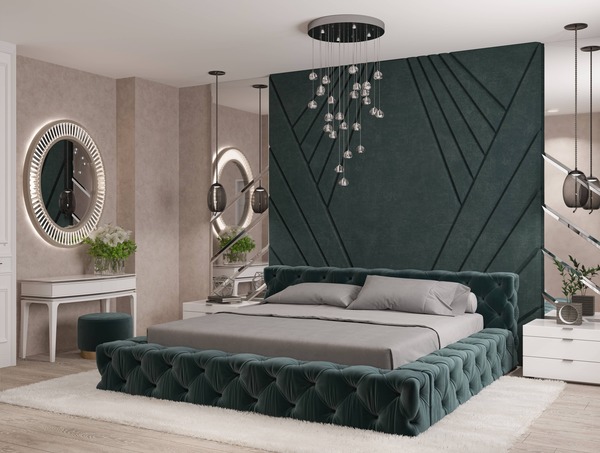
Wall panelling has long been a golden option in interior design, transforming plain walls into stunning focal points. This discipline boast adds depth, texture, and character to any room, qualification it a versatile choice for homeowners and designers likewise. In this article, we rsquo;ll search the different types of wall panelling, its benefits, and tips for incorporating it into your home.
Types of wood paneling for walls
Wall paneling comes in various styles and materials, each offering unique esthetic and functional benefits. Here are some popular types:
-
Wainscoting: Typically ground in dining suite and hallways, wainscoting covers the turn down part of the wall and adds a sublimate touch. It rsquo;s often made of wood or MDF and can be colorful or stained to oppose any interior decoration.
-
Shiplap: This countryfied style features long, level boards that create a cozy, farmhouse feel. Shiplap is hone for sustenance suite and bedrooms, adding warmth and charm to the space.
-
Beadboard: Known for its upright grooves, beadboard offers a classic look that works well in both traditional and Bodoni font homes. It rsquo;s unremarkably used in kitchens and bathrooms, enhancing the area rsquo;s charm.
-
Reclaimed Wood Panels: For an eco-friendly pick, saved wood panels are both sustainable and trendy. These panels can be used to create a statement wall or as an accent in various rooms.
-
Vinyl Panels: An low-priced and low-maintenance option, vinyl radical panels mimic the look of wood or stone without the sustenance. They rsquo;re paragon for high-moisture areas like bathrooms or basements.
Benefits of Wall Paneling
Incorporating wall pane into your home comes with many advantages:
-
Aesthetic Appeal: Wall pane outright elevates the look of a room. Whether you prefer a countryfied, modern, or traditional style, there rsquo;s a panelling pick to suit your taste.
-
Durability: High-quality wall panels can hold out wear and tear, making them a long-lasting pick for high-traffic areas.
-
Insulation: Wall pane can meliorate insulating material, helping to maintain comfortable temperatures in your home and potentially lowering vim .
-
Easy Maintenance: Many paneling materials are easy to strip and wield, making them realistic for busy households.
Tips for Incorporating Wall Paneling
-
Choose the Right Style: Consider the overall plan of your home. For a coeval space, slick pane with strip lines may be nonpareil. For a cozy, traditional setting, opt for more flowery styles like wainscoting or beadboard.
-
Color Matters: The tinge of your wall panels can importantly touch on the room rsquo;s ambience. Lighter colours can make a space feel larger, while darker hues can create a more suggest standard atmosphere.
-
Mix and Match: Don rsquo;t hesitate to unite different paneling styles within your home. For example, you might use shiplap in the support room and beadboard in the kitchen, creating a united yet wide-ranging look.
-
Consider Lighting: Good lighting can heighten the sweetheart of your wall panels. Use sconces or strategically placed lamps to spotlight the texture and inside information of the pane.
-
Professional Installation: While some DIY enthusiasts may opt to install pane themselves, hiring a professional person can ensure a perfect finish, particularly for complex designs.
Conclusion
Wall panelling is a dateless option that adds looker, character, and functionality to any home. With a variety show of styles and materials available, it rsquo;s easier than ever to find the hone panelling solution that reflects your subjective style while enhancing your bread and butter quad. Whether you rsquo;re looking to produce a cozy nook or a sophisticated area, wall pane can be the key to transforming your home into a stunning refuge.
nbsp;